Top Fun Facts about Tanzania Safaris
From
Duration
Overview
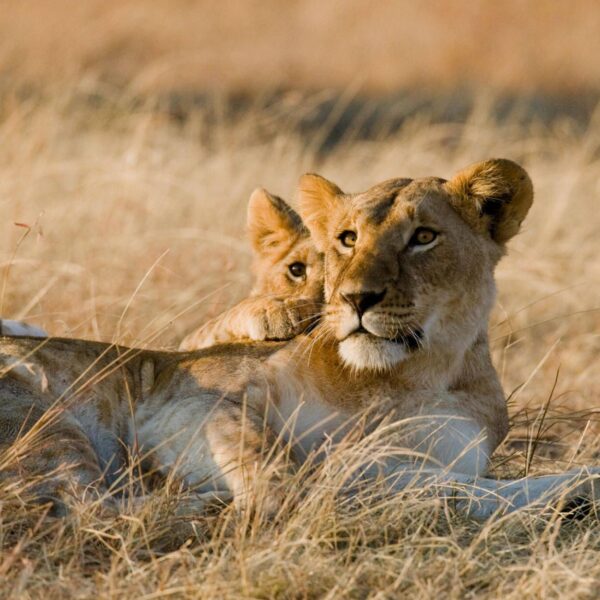
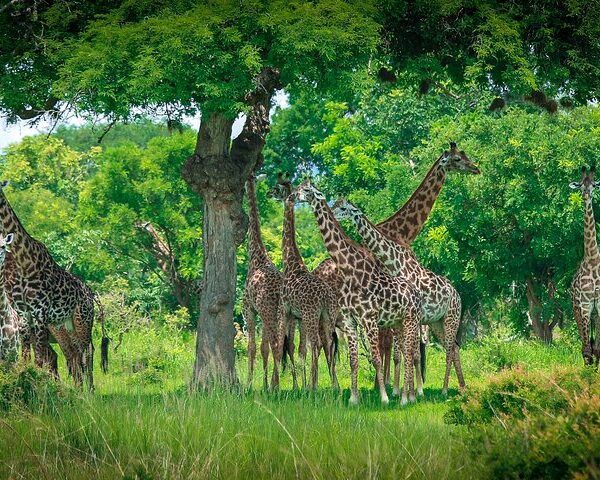
Top Fun Facts about Tanzania Safaris’ Tanzania , is the Africa’s most complete and prestigious travel experiences, seamlessly combining world-class wildlife safaris with the iconic Mount Kilimanjaro climb. From the legendary Serengeti National Park and Ngorongoro Crater—home to the Great Wildebeest Migration and the Big Five—to expertly guided game drives across Tarangire and Lake Manyara, Tanzania safaris deliver unmatched biodiversity and authenticity. Equally, climbing Mount Kilimanjaro, Africa’s highest peak, requires professional planning, experienced mountain guides, proper acclimatization, and ethical support teams to ensure safety and high summit success rates. Choosing the right safari lodges or luxury tented camps, understanding seasonal wildlife movements, selecting optimal Kilimanjaro routes such as Lemosho or Machame, and traveling during the best climbing seasons from January to March or June to October are critical factors for a successful journey. Responsible tourism, conservation awareness, and respect for local cultures further enhance the experience, making a Tanzania safari and Kilimanjaro trekking adventure not only an unforgettable holiday but a meaningful contribution to preserving Africa’s most extraordinary natural heritage.
Tour Plan
Professional safari guides are the foundation of a high-quality Tanzania safari experience. Highly trained and certified, these experts possess deep knowledge of animal behavior, tracking skills, conservation principles, and local ecosystems. Tourists should prioritize safari operators that invest in experienced guides capable of delivering insightful interpretation while ensuring safety and responsible wildlife viewing. An expert guide enhances every game drive by anticipating animal movements, navigating optimal viewing locations, and transforming each encounter into a meaningful and educational experience.
Safari accommodation in Tanzania ranges from elegant lodges to exclusive tented camps, each offering a distinct level of comfort and proximity to wildlife. Luxury safaris are defined not by excess but by privacy, personalized service, and strategic locations within or near national parks. Staying inside protected areas minimizes travel time and maximizes wildlife encounters, while mobile camps follow the Great Migration for front-row access to nature’s most dramatic spectacle. Selecting the right accommodation enhances both safari efficiency and overall travel satisfaction.
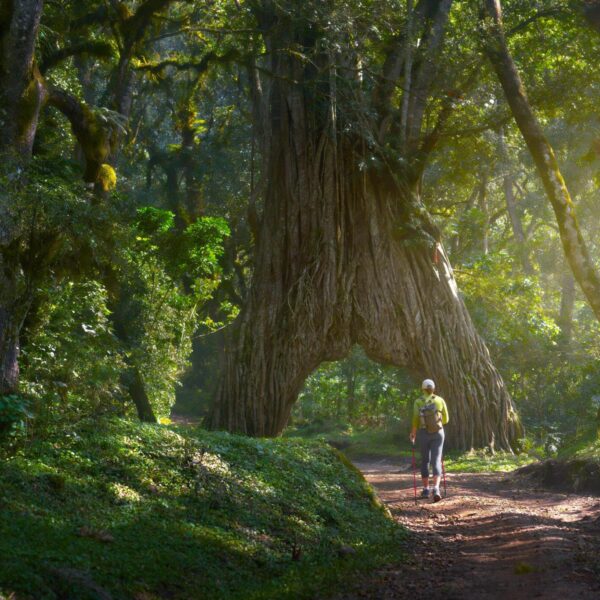
Mount Kilimanjaro climbing requires careful planning, professional guidance, and a strong focus on acclimatization rather than physical strength alone. As Africa’s highest peak, Kilimanjaro presents altitude challenges that demand gradual ascent, proper hydration, and expert supervision. Travelers should choose reputable Kilimanjaro operators that provide experienced mountain guides, thorough safety protocols, and ethical porter treatment. A professionally managed Kilimanjaro climb significantly increases summit success rates while ensuring climber well-being throughout the journey.
Choosing the right Kilimanjaro route and travel season is critical to a successful and enjoyable climb. Routes such as Lemosho and Machame are highly recommended due to their scenic diversity and superior acclimatization profiles, while Marangu offers hut accommodation for added comfort. The best time to climb Mount Kilimanjaro is during the dry seasons from January to March and June to October, when weather conditions are most stable. Informed route selection, extended climb duration, and professional support dramatically improve summit outcomes.
Responsible tourism is at the heart of sustainable Tanzania safaris and Kilimanjaro climbing experiences. Ethical travel supports wildlife conservation, community development, and environmental protection across Tanzania’s national parks and mountain regions. Travelers should select operators committed to conservation initiatives, fair employment practices, and low-impact travel standards. By respecting local cultures and natural ecosystems, visitors contribute to preserving Tanzania’s extraordinary landscapes while enjoying a more meaningful and authentic African adventure
Tourists increasingly compare inclusions, safety standards, ethics, and transparency before booking. A Kilimanjaro climb or Tanzania safari that includes all the above elements reflects professionalism, trust, and high success rates, while protecting guests, staff, and the environment.
Included/Excluded
A. Essential Inclusions for Mount Kilimanjaro Climbing
1. Pre-Climb Planning & Logistics
Route selection guidance (Machame, Lemosho, Marangu, Rongai, Northern Circuit)
Climb duration & acclimatization plan
Park entry, camping, rescue & conservation fees
Arrival and departure airport transfers (JRO)
Pre-climb briefing and gear check
2. Professional Mountain Crew
Certified, experienced Kilimanjaro mountain guides
Assistant guides (based on group size)
Trained porters and camp staff
Fair wages, meals, accommodation & insurance for crew
Porter load management (ethical weight limits)
3. Accommodation Before & After the Climb
Hotel/lodge in Moshi or Arusha (bed & breakfast)
Secure luggage storage during the climb
Optional day rooms or extra nights
4. Meals & Drinking Water on the Mountain
Nutritious, freshly prepared meals (breakfast, lunch, dinner)
Special dietary requirements (vegetarian, vegan, gluten-free)
Treated drinking water throughout the climb
Hot drinks (tea, coffee, cocoa)
5. Mountain Equipment & Safety Gear
High-quality tents (4-season)
Sleeping mats and mess tents (for camping routes)
Portable toilets (private climbs)
Emergency oxygen cylinders
Pulse oximeter and daily health checks
First-aid kits and evacuation protocols
6. Park & Summit Services
National park rangers and rescue services
Official summit certificate (Uhuru Peak or Stella Point)
Park compliance and safety monitoring
B. Essential Inclusions for Tanzania Safaris
1. Transportation & Safari Vehicles
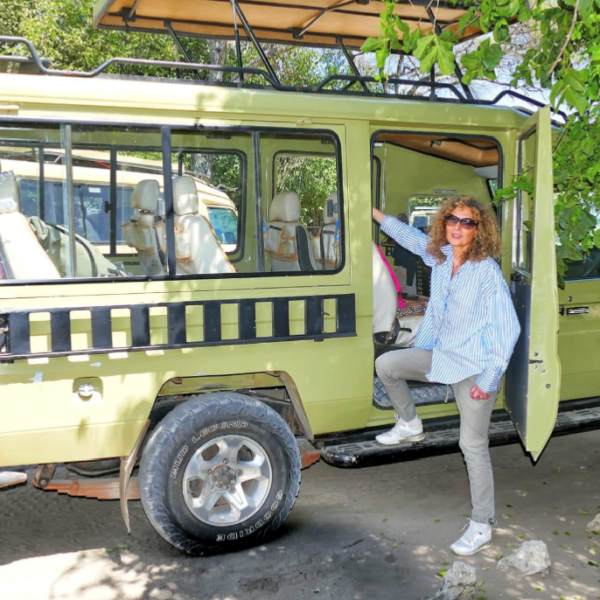
Private or shared 4x4 safari vehicles (pop-up roof)
Professional safari driver-guide
Fuel, vehicle maintenance & park navigation
Unlimited or scheduled game drives (as per itinerary)
2. Park Fees & Conservation Charges
National park entry fees (Serengeti, Ngorongoro, Tarangire, Lake Manyara, etc.)
Ngorongoro Crater service fees
Conservation and tourism development levies
3. Accommodation & Meals
Safari lodges, tented camps, or hotels (budget, mid-range, luxury)
Meal plans (Full Board or All-Inclusive)
Drinking water during game drives
Special meal arrangements when requested
4. Guiding & Wildlife Expertise
Licensed, English-speaking safari guides
Wildlife interpretation & tracking expertise
Cultural and ecological knowledge
Guest safety and park rule compliance
5. Safari Activities
Game drives (morning, afternoon, full day)
Ngorongoro Crater descent
Walking safaris (where permitted)
Cultural visits (Maasai villages, local communities)
Optional balloon safari (extra cost)
6. Transfers & Flights
Airport pick-ups and drop-offs
Inter-park transfers
Domestic flights (e.g., Serengeti–Zanzibar)
Luggage handling and timing coordination
C. Combined Kilimanjaro & Safari Package – Must-Have Extras
1. Seamless Coordination
Smooth transition from mountain to safari
Proper rest days between climb and game drives
Single point of contact and operations team
2. Travel Support & Documentation
Detailed itinerary and travel documents
Emergency contacts & 24/7 on-ground support
Safari & climbing briefing notes
3. Responsible & Ethical Standards
Leave No Trace principles
Fair porter treatment and KPAP standards
Support of local communities
Wildlife conservation compliance
D. Common Exclusions (Must Be Clearly Stated)
International flights
Travel insurance (mandatory recommendation)
Visa fees
Personal climbing gear (boots, jackets, sleeping bags if not hired)
Tips for guides, porters, and safari staff
Optional activities (balloon safari, cultural add-ons)
Booking Tour
Error: Contact form not found.