Mount Kilimanjaro National Park Expedition

From

Duration

Overview

Beyond Reaching the Summit—Experience Kilimanjaro the Right Way

Mount Kilimanjaro National Park Climbing | via Lemosho, Machame, Marangu, Rongai & Shira Routes  is far more than Africa’s highest mountain. Mount Kilimanjaro National Park Expedition is Rising to 5,895 metres (19,341 feet), it is the world’s tallest free-standing mountain and one of the few places on Earth where you can journey through five distinct climate zones in less than a week. Every step takes you from lush tropical rainforest to alpine desert before finally standing above the clouds on the snow-capped Roof of Africa. At Excellence Africa Adventures, we believe climbing Kilimanjaro should never be measured simply by reaching Uhuru Peak. The true achievement lies in choosing the right route, allowing your body to acclimatize naturally, enjoying exceptional guiding services, and creating memories that last a lifetime. Our carefully designed expeditions combine scientific altitude management, world-class mountain logistics, personalized support, and authentic Tanzanian hospitality to deliver one of Africa’s finest trekking experiences.

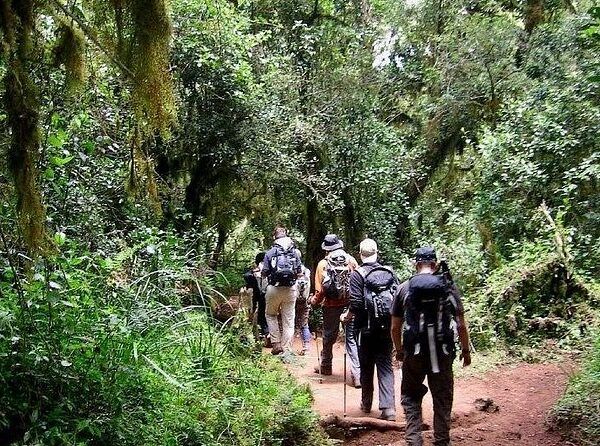
Climbing Kilimanjaro is like trekking from the equator to the North Pole. The mountain spans five distinct climate zones, from lush rainforest to arctic summit conditions . Your route choice determines not just what you see, but how your body adapts—and ultimately, whether you stand at Uhuru Peak.
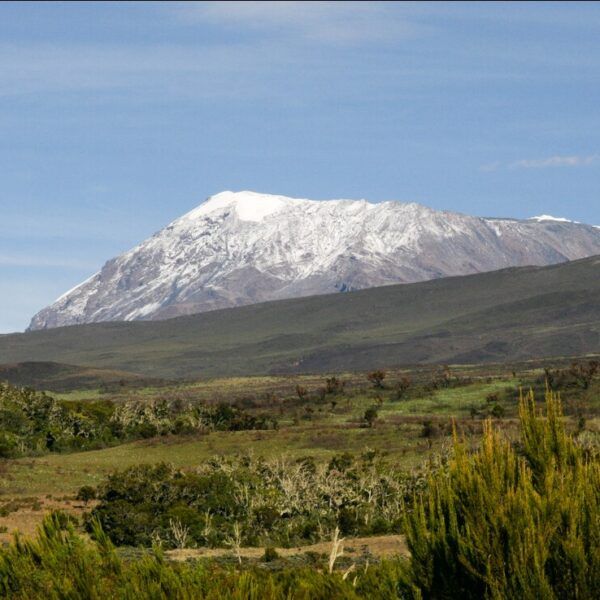
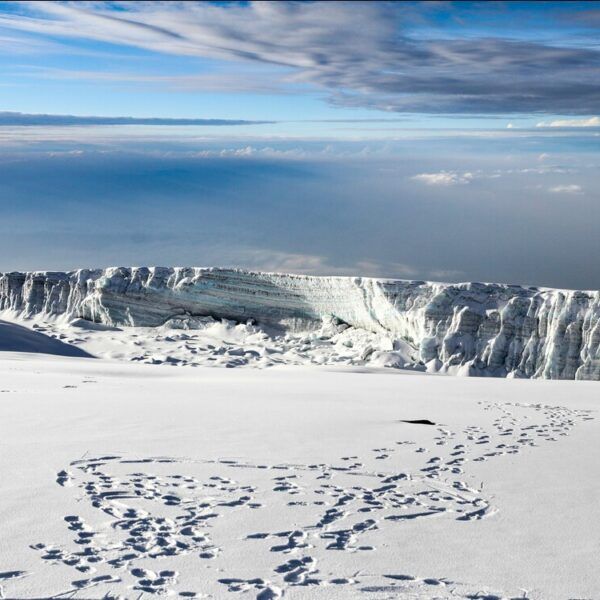
mount Kilimanjaromount Kilimanjaro


Choosing Your Kilimanjaro Route: More Than Just a Trail

Selecting the perfect Kilimanjaro route is the single most important decision of your expedition. Every route offers a completely different experience—from untouched wilderness and panoramic scenery to challenging climbs, peaceful landscapes, or comfortable mountain huts.

Rather than simply recommending the most popular trail, our experienced mountain specialists carefully match every climber with the route that best fits their fitness level, travel goals, previous trekking experience, and desired summit success rate.

Whether you dream of remote wilderness, breathtaking photography, luxury camping, or maximizing your chances of standing on Uhuru Peak, we ensure


RouteDurationDifficultySuccess RateAccommodationBest For
Lemosho7-8 daysModerate90%campingsuccess
Machame6-7 daysChallenging80-85%campingAdventure seekers
Marangu5-6 DaysModerate65-80%HutsNo camping
Rongai6-7 DaysModerate-Hard75-80%CampingPeaceful Trail
Northern Circuit8-9 daysModerateHighestCampingBest acclimatization
Umbwe6 daysVery Hard60-65%CampingExperienced climbers
Shira7 daysModerate-highMediumCampingAltitude-ready trekkers


Tour Plan

The Lemosho Route represents everything extraordinary about Mount Kilimanjaro. Beginning on the remote western slopes, this spectacular trail crosses nearly the entire mountain, offering unmatched scenery, fewer crowds, exceptional wildlife encounters, and one of the highest summit success rates available.

Its gradual ascent provides outstanding acclimatization through the internationally recommended "climb high, sleep low" strategy, giving climbers the greatest opportunity to adapt safely to increasing altitude.

Trekkers experience pristine rainforest, giant heather moorlands, volcanic plateaus, the famous Lava Tower, the iconic Barranco Wall, endless alpine deserts, and finally the glaciers surrounding Uhuru Peak.

For travelers seeking the finest Kilimanjaro experience, the 8-Day Lemosho Route remains our most highly recommended expedition.

Days: 7-8 | Acclimatization: Excellent | Crowds: Low-Medium

Starting from the remote western side, the Lemosho Route crosses the entire mountain, offering the most pristine wilderness experience and the highest summit success rate thanks to its excellent acclimatization profile . It is widely regarded as the best Kilimanjaro route overall .

8-Day Lemosho Itinerary:

| Day | Segment | Elevation | Zone | Hrs |
|-----|---------|-----------|------|-----|
| 1 | Londorossi Gate → Mti Mkubwa Camp | 2,360m → 2,895m | Rainforest | 3-4 |
| 2 | Mti Mkubwa → Shira 1 Camp | 2,895m → 3,505m | Heath & Moorland | 5-6 |
| 3 | Shira 1 → Shira 2 Camp | 3,505m → 3,804m | Heath & Moorland | 5-7 |
| 4 | Shira 2 → Lava Tower → Barranco Camp | 3,804m → 4,630m → 3,950m | Alpine Desert | 6-7 |
| 5 | Barranco Camp → Karanga Camp | 3,950m → 4,033m | Alpine Desert | 4-5 |
| 6 | Karanga Camp → Barafu Camp | 4,033m → 4,556m | Alpine Desert | 4-5 |
| 7 | Barafu → Uhuru Peak → Mweka Camp | 4,556m → 5,895m → 3,100m | Arctic → Rainforest | 11-14 |
| 8 | Mweka Camp → Mweka Gate | 3,100m → 1,640m | Rainforest | 3-4 |

The "climb high, sleep low" acclimatization strategy at Lava Tower is crucial—you ascend to 4,600m before descending to sleep at 3,950m, helping your body adapt to altitude .

Known worldwide as the famous "Whiskey Route," Machame delivers one of Kilimanjaro's most rewarding adventures. This route is perfect for adventurous climbers who appreciate dramatic scenery, challenging terrain, and constantly changing landscapes.

Each day introduces spectacular new environments—from emerald rainforests and giant lobelia forests to rocky ridges, volcanic valleys, and breathtaking summit panoramas.

The unforgettable climb over Barranco Wall, often considered the most exciting section of Kilimanjaro, rewards climbers with incredible views across the mountain while remaining achievable for most reasonably fit trekkers under professional guidance.

**Days: 6-7 | Acclimatization: Good | Crowds: High**

The most popular camping route, nicknamed "Whiskey Route" for its challenging terrain . It approaches from the southwest and crosses five distinct ecological zones, with the dramatic Barranco Wall as a highlight .

**7-Day Machame Itinerary** :

| Day | Segment | Elevation | Hrs |
|-----|---------|-----------|-----|
| 1 | Machame Gate → Machame Camp | 1,640m → 2,972m | 5-6 |
| 2 | Machame Camp → Shira 2 Camp | 2,972m → 3,804m | 4-6 |
| 3 | Shira 2 → Lava Tower → Barranco | 3,804m → 4,630m → 3,950m | 6-8 |
| 4 | Barranco Camp → Karanga Camp | 3,950m → 4,033m | 4-5 |
| 5 | Karanga Camp → Barafu Camp | 4,033m → 4,556m | 4-5 |
| 6 | Barafu → Uhuru Peak → Mweka | 4,556m → 5,895m → 3,100m | 11-14 |
| 7 | Mweka Camp → Mweka Gate | 3,100m → 1,640m | 3-4 |

**Barranco Wall climbing tip**: While it may look daunting, this 1-2 hour scramble is a highlight with breathtaking views .

As Kilimanjaro's original trekking route, Marangu has welcomed climbers from around the world for decades. Unlike every other route, trekkers stay inside comfortable mountain huts instead of camping, making it particularly attractive during colder seasons or for those preferring additional comfort.

Although it offers a shorter ascent, we strongly recommend the six-day itinerary, which includes an additional acclimatization day at Horombo Hut. This extra day significantly improves summit success while allowing more time to appreciate the mountain's spectacular beauty.

Days: 5-6 | Acclimatization: Limited | Crowds: High

The oldest, most established route, offering dormitory-style sleeping huts instead of tents . It's the most budget-friendly but has lower success rates due to the faster ascent profile . The 6-day version with an extra acclimatization day at Horombo Hut is strongly recommended .

6-Day Marangu Itinerary:

| Day | Segment | Elevation | Accommodation |
|-----|---------|-----------|---------------|
| 1 | Marangu Gate → Mandara Hut | 1,860m → 2,750m | Mandara Hut |
| 2 | Mandara Hut → Horombo Hut | 2,750m → 3,700m | Horombo Hut |
| 3 | Horombo Hut (Acclimatization Day) | 3,700m | Horombo Hut |
| 4 | Horombo Hut → Kibo Hut | 3,700m → 4,700m | Kibo Hut |
| 5 | Kibo Hut → Uhuru Peak → Horombo | 4,700m → 5,895m → 3,700m | Horombo Hut |
| 6 | Horombo Hut → Marangu Gate | 3,700m → 1,860m | - |

For climbers whose ultimate goal is standing confidently on Africa's highest point, the Northern Circuit is widely regarded as the gold standard.

Its extended itinerary allows unmatched acclimatization while circling Kilimanjaro's remote northern slopes, offering spectacular 360-degree mountain views that few visitors ever experience.

With additional trekking days, fewer crowds, and outstanding altitude adaptation, this route consistently delivers the highest summit success rates on Mount Kilimanjaro.

Days: 8-9 | Acclimatization: Excellent | Crowds: Very Low

The longest route, circling around the northern slopes before summiting from the east. The extra days offer unbeatable acclimatization, resulting in the highest success rate of all routes . You'll enjoy 360-degree views, including the infrequently visited northern slopes .

Days: 5-6 | Acclimatization: Poor | Crowds: Very Low

The most direct, steepest, and most challenging route . Success rate is low unless trekkers are highly experienced and well-acclimatized beforehand . Not recommended for first-time Kilimanjaro climbers .

Days: 7 | Acclimatization: Moderate | Crowds: Low

Begins at over 3,600m, which can be tough without prior altitude experience. It overlaps with Lemosho after the first day . Best for those who have already acclimatized, such as after climbing Mount Meru .

Your Kilimanjaro expedition deserves more than transportation and accommodation—it deserves expert leadership, meticulous planning, and unwavering commitment to your success.

Every expedition includes highly trained mountain guides certified in wilderness first aid, experienced assistant guides, professional cooks, and dedicated porters working together to ensure your comfort and safety throughout the climb.

Our premium mountain equipment features spacious weatherproof tents, comfortable sleeping arrangements, hygienic portable toilets, nutritious freshly prepared meals, oxygen support systems, pulse oximeter health monitoring, emergency rescue equipment, and comprehensive daily safety briefings.

From your arrival in Tanzania until your successful summit celebration, every detail is managed with professionalism, care, and genuine Tanzanian hospitality.

Reaching Uhuru Peak is not determined by physical strength alone. The greatest challenge on Kilimanjaro is altitude, making acclimatization the defining factor in every successful expedition.

Our itineraries are carefully designed around internationally recognized altitude management principles. Longer routes, gradual elevation gain, proper hydration, steady hiking ("Pole Pole"), and continuous health monitoring allow your body to adjust naturally, dramatically increasing your likelihood of reaching the summit safely.

Our philosophy is simple: climbing slowly is climbing successfully.

Why Acclimatization Matters

Altitude sickness causes nausea, dizziness, and headaches . Success depends on making the right decisions long before you arrive at the trailhead . Key strategies:

1. "Climb High, Sleep Low; Ascend to higher elevations during the day, then descend to sleep lower, allowing your body to adapt safely .

2. Stay Hydrated: Drink 3-4 liters daily to help prevent altitude sickness .

3. Pole Pole: Hike slowly—your body acclimatizes better .

4. Route Duration: Longer routes dramatically improve success rates. The extra days on Lemosho or Northern Circuit provide crucial acclimatization time .

| Period | Conditions | Crowds |
|--------|------------|--------|
| June – October | Cooler and drier—the best time to ascend | High |
| December – March | Warmer with a higher chance of rain and snow | Moderate |
| April – May | Heavy rain, difficult conditions | Very Low |
| November – December | Short rainy season, occasional showers | Low |

Choose the dry seasons (June-October) for the best conditions. If you prefer fewer crowds, consider January-March or November .

Physical Training
- Focus on cardio: running, cycling, swimming
- Incorporate leg strength training
- Train for 3-4 months before your climb
- Hike with a heavy backpack to simulate the trek

Packing Essentials:
- Warm, moisture-wicking layers
- Sturdy hiking boots
- Trekking poles
- Sleeping bag for cold nights
- Sunglasses and sunscreen for high-altitude UV exposure

The summit attempt begins around midnight. Climbers ascend to Stella Point on the crater rim in time for sunrise, then continue to Uhuru Peak (5,895m) . The ascent takes several hours through steep, icy terrain—but the reward is an unmatched sunrise view over a sea of clouds .

Standing on the Roof of Africa is more than reaching a summit; it is the culmination of careful preparation, steady acclimatization, and an unforgettable passage through wildly contrasting landscapes .

Book Your Expedition

EXCELLENCE AFRICA ADVENTURES offers expertly guided treks with a commitment to safety, luxury, and authentic African exploration. From the lush montane forests to the majestic glaciers of Uhuru Peak, every detail is crafted for an extraordinary experience .

Contact us to begin planning your Kilimanjaro journey—choose your route, prepare with confidence, and join the ranks of those who have stood at Africa's highest point.

"With our unwavering commitment to safety, luxury, and authenticity, your Kilimanjaro climbing experience becomes a lifelong milestone and one of the most extraordinary adventures on Earth.

Pricing (per person)

– 1 PAX: $2,800
– 2 PAX: $2,650
– 3 PAX: $2,550
– 4 PAX: $2,300
– 5 PAX: $2,150
– 6 PAX: $1,950
– 7+ PAX: $1,850

Included/Excluded

Expert Guiding: - Professional, certified guides with high-altitude training - Experienced assistant guides for personalized support - Trained porters and chef teamsLuxury Camping: - Premium all-weather tents for sleeping and dining - Comfortable sleeping mats and chairs - Hygienic mobile toilets and wash stations - Hot meals and beverages prepared dailySafety & Logistics: - Park fees, camping fees, and conservation charges - Rescue equipment and medical kits - Oxygen cylinders and high-altitude health monitoring - Pre-climb briefing and acclimatization advice

Booking Tour

    Tour Information

    Max Guests

    100

    Min Age

    Languages Support

    Share your details and we’ll craft your perfect safari experience