KILIMANJARO CLIMBING : BOOK Your Trip Now

From

Duration

Overview

Mount Kilimanjaro climbing is one of Africa’s most iconic adventure experiences, offering trekkers the opportunity to reach Uhuru Peak (5,895 m), KILIMANJARO CLIMBING : BOOK Your Trip Now, the continent’s highest point, without technical mountaineering skills. Located in northern Tanzania, Kilimanjaro is a UNESCO World Heritage Site renowned for its dramatic landscapes and five distinct ecological zones, ranging from lush rainforest to arctic summit conditions. Climbers can choose from several established routes, such as Machame, Lemosho, and Marangu, with itineraries typically lasting 6–9 days to allow proper acclimatization. While the climb is non-technical, altitude is the main challenge, making professional guidance, gradual ascent, and careful monitoring essential for safety and summit success. Conducted under strict park regulations that support conservation and porter welfare, a well-organized Kilimanjaro climb is a rewarding, well-supported, and truly life-changing achievement.

Kilimanjaro climbing

Kilimanjaro climbing

Tour Plan

Mount Kilimanjaro climbing is one of Africa’s most iconic adventure experiences, offering trekkers the rare opportunity to stand on the continent’s highest point—Uhuru Peak (5,895 m / 19,341 ft)—without the need for technical mountaineering skills. Located in northern Tanzania, Kilimanjaro is a freestanding volcanic massif and a UNESCO World Heritage Site, celebrated for its dramatic landscapes, ecological diversity, and profound sense of achievement upon reaching the summit.

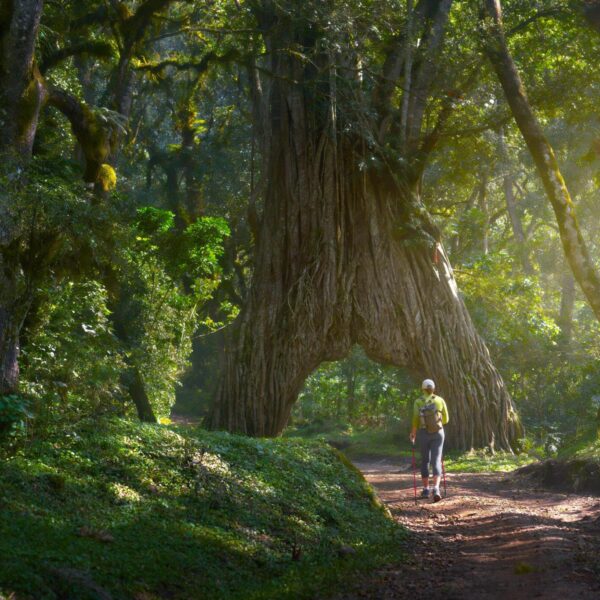
A defining feature of Kilimanjaro is its five distinct ecological zones, which climbers pass through during the ascent. The journey begins in cultivated farmland and lush montane forest, transitions through heath and moorland, and then into alpine desert before culminating on the arctic summit. This rapid change in scenery over just a few days makes the climb uniquely immersive, combining natural beauty with a powerful lesson in altitude and adaptation.

There are several established climbing routes, each offering different scenery, difficulty levels, and acclimatization profiles. Popular options such as Machame and Lemosho are favored for their scenic variety and higher success rates due to better altitude acclimatization, while Marangu offers hut accommodation and a more gradual trail. Choosing the right route—and an itinerary of adequate length (typically 6–9 days)—is critical to comfort, safety, and summit success.

Although Kilimanjaro does not require ropes or technical climbing, altitude acclimatization is the primary challenge. Professional operators emphasize a “walk high, sleep low” approach, gradual ascents, and close monitoring by trained mountain guides. A well-supported climb includes experienced guides, assistant guides, cooks, and porters, ensuring climbers focus on steady progress while logistics, meals, and safety are expertly managed.

Climbing Kilimanjaro is not only a physical endeavor but also a well-regulated tourism activity. All climbs must be conducted through licensed operators, and park regulations support environmental conservation and porter welfare. With proper preparation, realistic pacing, and professional support, Kilimanjaro remains an attainable yet deeply rewarding summit—often described as a life-changing milestone for trekkers from around the world.

Included/Excluded

Booking Tour

    Tour Information

    Max Guests

    Min Age

    Languages Support

    Verified by MonsterInsights