The Kilimanjaro Trekking Cost 2026-2030 Prices from $1,600 + Per Person| Kilimanjaro climbing Prices from $1,600 to $8,500 Per Person, depending on the route, number of days, level of comfort, and the quality of guiding services provided. Premium operators offer expertly trained mountain guides, professional porters, Kilimanjaro company with high-quality camping gear, nutritious full-board meals, oxygen and safety equipment, and reliable logistics — all essential for a safe, successful, and enjoyable summit attempt. Longer routes such as Lemosho, Northern Circuit, and Machame tend to cost more due to extended acclimatization days, while luxury upgrades like private tents, portable toilets, and personal summit guides can add to the price. Overall, Kilimanjaro climbing is a well-structured investment in safety, comfort, and the life-changing experience of reaching Africa’s highest peak.
#image_title
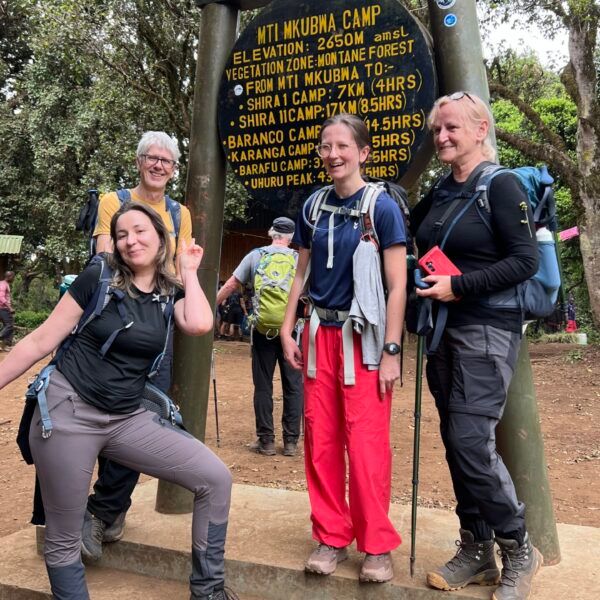
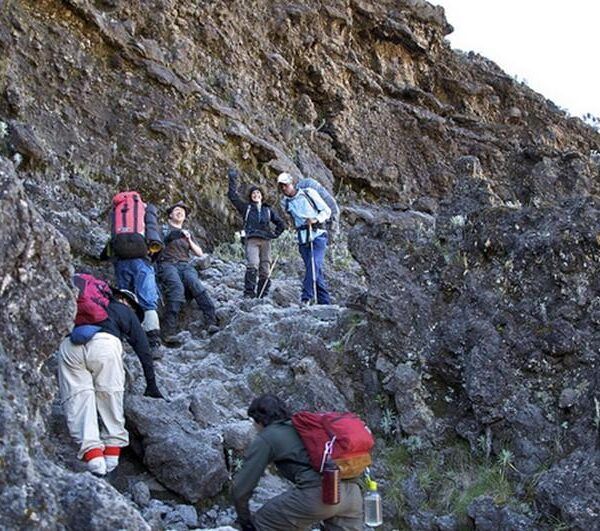
Mount Kilimanjaro is one of Africa’s most iconic natural landmarks and a world-renowned destination for trekking, mountain climbing, and adventure holidays. Located in northern Tanzania, near the Kenyan border, this magnificent mountain rises approximately 5,895 metres (19,341 feet) above sea level, making it the highest mountain in Africa and the tallest free-standing mountain in the world. For travelers planning a remarkable African adventure between 2026 and 2030, climbing Mount Kilimanjaro offers an opportunity to experience extraordinary landscapes, unique ecosystems, and the unforgettable achievement of reaching Uhuru Peak. With Excellence Africa Adventures, travelers can explore professionally organized Mount Kilimanjaro climbing packages designed for solo adventurers, couples, families with suitable older children, private groups, and international trekking groups seeking a memorable Tanzanian mountain expedition.
#image_title
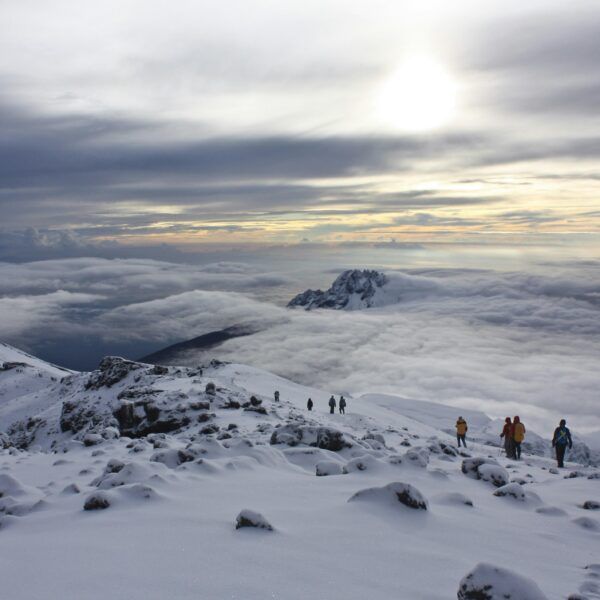
Choosing the right Mount Kilimanjaro trekking route is one of the most important decisions when planning your expedition. Tanzania offers several established climbing routes, each providing different landscapes, accommodation arrangements, trekking durations, and acclimatization opportunities. The Lemosho Route is popular for its scenic wilderness, beautiful panoramic views, and longer itinerary options. The Machame Route, often called the Whiskey Route, attracts trekkers with its varied terrain and spectacular mountain scenery. The Marangu Route provides mountain hut accommodation, while the Rongai Route approaches Kilimanjaro from the northern side and generally offers a quieter wilderness experience. The Northern Circuit is a longer option with extensive mountain views and additional time for acclimatization. The Umbwe Route is steeper and more demanding, making it more appropriate for experienced trekkers. Excellence Africa Adventures can help travelers compare these routes and select a suitable itinerary based on fitness, experience, available time, and personal preferences.
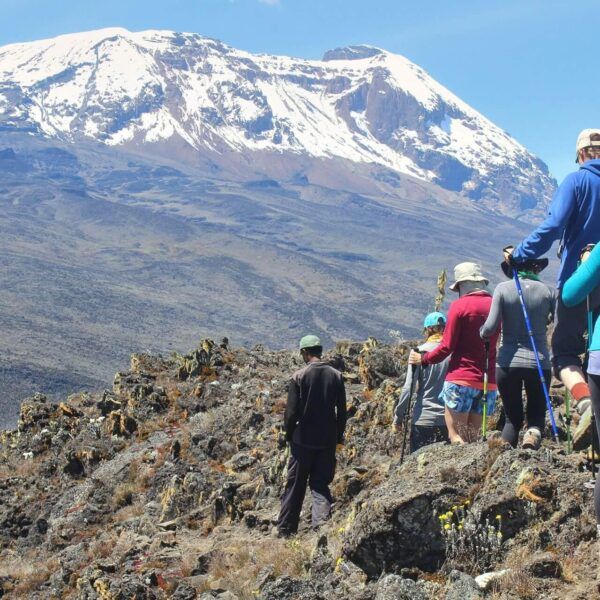
The duration of your Mount Kilimanjaro climbing expedition can significantly influence your comfort, acclimatization, and opportunity to reach the summit. Most trekking packages range from five to nine days on the mountain, depending on the route and itinerary, with additional days recommended for arrival, preparation, recovery, and departure. Longer itineraries generally allow more time for the body to adjust to decreasing oxygen availability, which is particularly important at high altitude. For many travelers, a seven- or eight-day climbing itinerary offers a useful balance between trekking experience, acclimatization, and available holiday time. The eight-day Lemosho Route is a popular choice for trekkers seeking scenic landscapes and a gradual ascent, while longer Northern Circuit itineraries provide additional time on the mountain. Excellence Africa Adventures offers private and group climbing arrangements that can be tailored to travelers’ schedules, desired comfort levels, and trekking objectives. No itinerary, however, can guarantee successful acclimatization or summit achievement.
Safety should always be a priority when planning a Mount Kilimanjaro trekking adventure. Although the mountain does not require technical mountaineering skills on its standard trekking routes, its high elevation presents significant challenges, including acute mountain sickness (AMS), dehydration, exhaustion, cold temperatures, and rapidly changing weather conditions. Successful preparation involves selecting an appropriate itinerary, ascending at a controlled pace, drinking fluids regularly, eating adequately, and following the guidance of qualified mountain professionals. Climbers should recognize symptoms such as persistent headaches, nausea, dizziness, unusual fatigue, and loss of appetite, and report them promptly to their guides. Severe symptoms, including confusion, difficulty walking straight, or breathlessness at rest, require immediate emergency assessment and descent. Excellence Africa Adventures emphasizes professional mountain guidance, ongoing monitoring of climbers’ well-being, appropriate equipment, and emergency response planning. Travelers should also consult a healthcare professional before departure to discuss altitude-related risks and individual medical considerations. Reaching the summit is never more important than protecting your health.
Professional mountain guides play a central role in creating a well-organized and responsible Mount Kilimanjaro climbing experience. Their responsibilities include leading the trekking team, explaining daily routes, monitoring climbers’ condition, coordinating camps, checking weather conditions, and responding to challenges along the trail. Porters transport essential camping equipment and supplies, while mountain cooks prepare meals to help climbers maintain energy throughout the expedition. Excellence Africa Adventures coordinates climbing support with experienced local mountain professionals who understand Kilimanjaro’s terrain, weather patterns, and operational requirements. Before booking, travelers should ask about guide qualifications, staff welfare practices, safety procedures, emergency equipment, and the support crew included in their package. A well-coordinated team allows climbers to focus on the journey, enjoy Tanzania’s extraordinary mountain scenery, and prepare for the demanding final ascent to Uhuru Peak. Responsible climbing also means respecting the contribution, working conditions, and dignity of every member of the mountain crew.
The cost of climbing Mount Kilimanjaro varies according to the selected route, number of trekking days, group size, accommodation arrangements, level of service, and inclusions. Other factors include national park fees, camping or hut charges, guide and porter wages, meals, transfers, equipment arrangements, and whether the expedition is private or group-based. As a broad planning estimate, many standard guided climbing packages may cost approximately US$1,800–US$3,500 per person, while higher-tier private or longer expeditions can cost more. These are indicative estimates rather than confirmed prices for every departure in 2026–2030; actual rates should be requested for your specific dates and itinerary. When comparing quotations, check whether airport transfers, hotel nights, park fees, rescue arrangements, meals, and crew gratuities are included or charged separately. Excellence Africa Adventures can prepare a tailored Kilimanjaro trekking quotation based on your chosen route, travel dates, group size, preferred service level, and additional Tanzania travel arrangements.
Understanding the inclusions of a Kilimanjaro trekking package helps you plan your budget accurately and avoid unexpected expenses. Depending on the selected itinerary, a guided climbing package commonly includes national park and camping or hut fees, professional mountain guides, porters, a cook, mountain meals, drinking-water arrangements, camping equipment or hut accommodation, and scheduled transfers to and from the mountain. Some packages also include pre- and post-climb hotel accommodation, airport transfers, group briefings, and basic safety equipment or emergency support arrangements. Excellence Africa Adventures can customize package inclusions for private climbs, group departures, and higher-tier expeditions according to the traveler’s requirements. Items commonly excluded unless specifically stated include international flights, visas, travel insurance covering high-altitude trekking and emergency evacuation, personal trekking equipment, guide and porter gratuities, alcoholic beverages, and personal expenses. Before confirming a booking, request a written itinerary and itemized list of inclusions and exclusions so that the services and total cost are clear.
Mount Kilimanjaro can be climbed throughout much of the year, but seasonal weather influences trail conditions, visibility, temperature, and the overall trekking experience. The periods from January to early March and June to October are generally popular because they often offer favorable trekking conditions. January and February may bring relatively warm conditions at lower elevations, while June through October usually corresponds to a drier period with cooler temperatures. The main rainy season commonly occurs around March to May, and shorter rains can occur around November and December, although actual conditions vary from year to year. Wet weather can make trails muddy and reduce visibility, but quieter periods may appeal to travelers who are prepared for changing conditions. Even during the drier seasons, temperatures near the summit can fall well below freezing, and storms or strong winds remain possible. Excellence Africa Adventures can help travelers choose a suitable departure period, prepare appropriate clothing and equipment, and plan a realistic climbing itinerary for their preferred travel dates between 2026 and 2030.
Preparing properly for Mount Kilimanjaro involves physical conditioning, appropriate equipment, and a realistic understanding of the demands of high-altitude trekking. Climbers should build their endurance through regular walking, hiking, stair climbing, and aerobic exercise, ideally including longer walks on uneven terrain while carrying a suitable daypack. Previous mountaineering experience is not essential for standard trekking routes, but good general fitness, determination, and preparation are valuable. Essential equipment typically includes well-broken-in hiking boots, moisture-wicking clothing, insulating layers, a waterproof jacket and trousers, warm gloves, a hat, a headlamp, trekking poles, a sleeping bag suitable for cold conditions, and sun protection. A comfortable daypack, personal medication, water-carrying system, and high-altitude trekking insurance are also important. Travelers should request a detailed equipment checklist before departure and confirm which items can be rented locally. Excellence Africa Adventures can provide practical preparation guidance and pre-climb briefings to help travelers understand daily trekking expectations, pack efficiently, and approach their expedition with greater confidence.
Planning a Mount Kilimanjaro climbing expedition for 2026–2030 begins with choosing a suitable route, selecting an appropriate number of trekking days, understanding the package costs, and working with a reliable local operator. Excellence Africa Adventures offers organized Mount Kilimanjaro trekking experiences with private and group climbing options, expert local mountain support, itinerary planning, and assistance with essential travel arrangements. Whether you are considering the scenic Lemosho Route, the adventurous Machame Route, the northern approach via Rongai, or a longer Northern Circuit expedition, your package can be tailored to your available time, comfort preferences, and travel objectives. You can also combine your climb with a Tanzania wildlife safari in Serengeti National Park, Ngorongoro Crater, or Tarangire National Park, or extend your holiday with a relaxing Zanzibar beach escape. Contact Excellence Africa Adventures to request a personalized climbing itinerary, detailed inclusions, current pricing, and available departure dates. Begin planning your Tanzanian mountain adventure with a focus on responsible trekking, genuine hospitality, safety, and an unforgettable journey toward the Roof of Africa.